
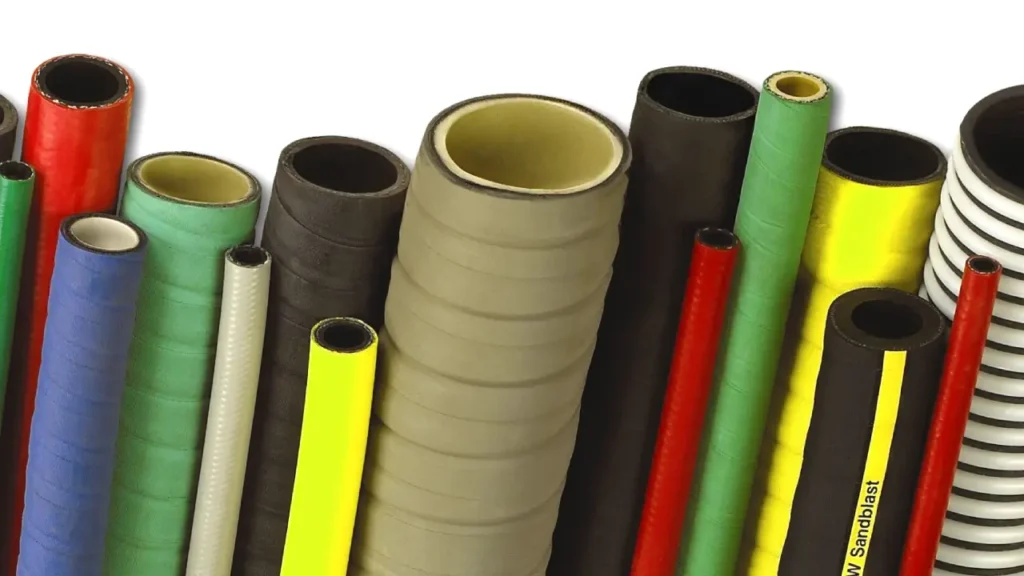
An industrial rubber hose is often noticed only after something goes wrong: a leaking coupling, a swollen inner tube, a cracked cover, a pressure drop, or a hose that fails far earlier than expected. In many purchasing cases, the first inquiry starts with size and price, while the real working condition is left unclear.
That creates risk. A hose used for clean water may not survive in fuel transfer. A rubber air hose should not be used for steam. A general-purpose hose can fail quickly when exposed to solvents, acids, hot water, cement dust, or abrasive slurry. For distributors, importers, contractors, and maintenance teams, the right choice affects safety, downtime, repeat orders, and after-sales claims.
QINGDAO SOMAX MANUFACTURING Co., Ltd., through the SomaxFlex product range, supplies industrial and multi-purpose rubber hose products for air, water, oil and fuel, chemicals, food-grade transfer, steam, LPG gas, material handling, welding, and general industrial use.
A hose buyer may ask for a 1-inch hose, a 20 bar hose, or a black rubber hose, but those details are only part of the specification. The first question should be: what will pass through the hose?
Water, compressed air, diesel, gasoline, lubricating oil, edible oil, milk, juice, steam, acid, alkali, solvent, cement, sand, and slurry all place different demands on the inner tube. A rubber water hose is usually selected for irrigation, pump discharge, cleaning, and construction water supply. A rubber air hose is built for compressed air delivery and pneumatic tools. An oil hose or fuel transfer hose needs oil-resistant rubber, often NBR-based, because fuel can soften ordinary rubber over time.
Chemical rubber hose selection is even more sensitive. A buyer describing the medium only as “cleaning liquid” or “solvent” leaves too much uncertainty. Chemical name, concentration, temperature, pressure, and cleaning method should be known before a chemical transfer hose is confirmed. For food and beverage plants, a food grade rubber hose should have a smooth, non-toxic inner tube and meet food contact requirements where applicable.
In a workshop, a compressed air hose is rarely treated gently. It is pulled across floors, bent around equipment, connected to pneumatic tools, and exposed to oil mist or rough surfaces. That is why flexibility, cover strength, working pressure, and coupling fit all matter.
On construction sites, a water suction and discharge hose may handle drainage, pump discharge, washdown, or temporary water supply. The hose may lie on gravel, concrete, mud, or steel edges for weeks. For agricultural rubber hose use, UV resistance, weather resistance, and flexible handling are important because irrigation and farm water lines often stay outdoors.
Oil and fuel transfer applications need closer attention to the inner tube. Diesel transfer, tanker unloading, fuel delivery, lubricating oil service, and oil suction and discharge hose applications require materials that resist swelling and fuel permeation. Anti-static design may also be required for certain fuel-handling conditions.
Chemical plants and surface treatment lines face another set of problems. Acids, alkalis, solvents, and industrial cleaning agents can attack the tube, reinforcement, or cover if the hose is not matched to the medium. A chemical rubber hose should be selected by compatibility, not appearance.
A food transfer hose used for milk, juice, beverages, syrup, dairy products, or edible oil must support hygiene and easy cleaning. Residue buildup is not only a maintenance issue; it may affect product quality.
Steam hose and hot water hose products work under heat, pressure, and aging stress. Temperature range, burst pressure, drainage habits, and inspection frequency affect service life. For material handling hose applications such as cement discharge, sandblast service, powder transfer, bulk material suction, and slurry movement, wear often starts inside the hose before the outside looks damaged. Abrasion resistant hose construction is therefore a key purchasing point.
Two hoses with the same inner diameter may perform very differently because the construction is not the same. A standard rubber hose includes an inner tube, a hose reinforcement layer, and an outer cover.
The inner tube contacts the medium. The reinforcement layer, which may include textile plies, steel wire braiding, or spiral steel wire, supports working pressure and helps the hose resist collapse or deformation. The outer cover protects against abrasion, ozone, UV exposure, oil splash, weather, and heat. For harsh outdoor jobs, mining, construction, or shipyard use, the outer cover is often as important as the pressure rating.
A reliable quotation needs more than hose size. Working pressure, burst pressure, temperature range, hose length, inner diameter, outer diameter, and minimum bending radius should be reviewed together. A suction hose also needs vacuum resistance. A discharge hose needs pressure stability and secure fittings.
Pressure spikes from pumps, compressors, valves, or equipment startup can be higher than normal operating pressure. Sharp bending can damage the reinforcement and create stress points. If a hose is dragged daily, connected to moving equipment, or exposed to heat, those details should be part of the selection discussion.
For wholesale rubber hose orders, small details can decide whether the shipment is ready for resale or requires extra work after arrival. Buyers should confirm hose fittings, couplings, color, branding, product marking, packing method, length tolerance, required certificates, and application standards before production.
SomaxFlex offers a broad product range including air hose, water hose, oil hose, chemical hose, food hose, hot water hose, steam hose, LPG gas hose, welding hose, material handling hose, and multi-purpose hose. Its product listings include examples such as 20BAR air hose, 10BAR chemical hose, 10BAR food hose, 20BAR oil hose, EN1762 LPG delivery hose, ISO3821 welding hose, 40BAR plaster hose, and 85BAR concrete pump hose. For importers and distributors, this multi-category supply can make mixed purchasing and repeat orders easier to manage.
A specialized industrial rubber hose supplier helps buyers reduce mismatch before the order moves into production. This is valuable for distributors, OEM buyers, and contractors who handle several hose categories at the same time.
As an industrial rubber hose manufacturer in China, QINGDAO SOMAX MANUFACTURING Co., Ltd. supplies SomaxFlex products for air, water, oil and fuel, chemical, food-grade, steam, LPG gas, material handling, welding, and multi-purpose hose applications. The company’s supply range supports common industrial transfer, agricultural irrigation, construction water service, fuel handling, chemical transfer, food-grade liquid transfer, steam service, gas applications, welding operations, and abrasive material handling.
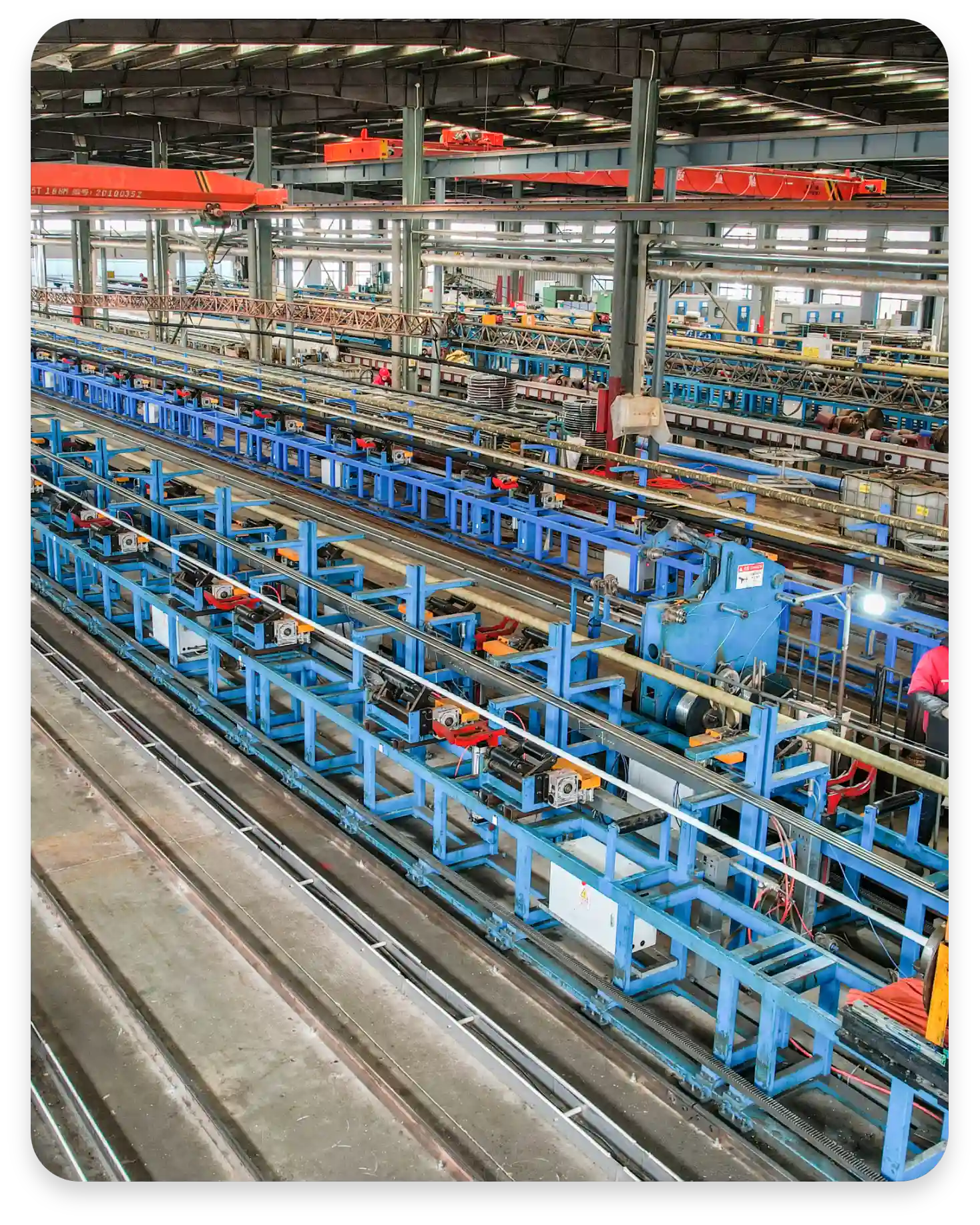
For buyers looking for a rubber hose manufacturer China can supply with custom rubber hose options, SomaxFlex can support project-based discussions around size, pressure, material, color, reinforcement, marking, and packaging. That matters when the target market requires consistent specifications across repeat wholesale orders.
A hose should be matched to the job, not only to the diameter. Medium, pressure, temperature, construction, bending radius, environment, fittings, and standards all affect performance in the field. A properly selected industrial rubber hose can reduce leakage, early replacement, downtime, and safety concerns. For B2B buyers, preparing the application details before contacting SomaxFlex helps create a clearer quotation and a more suitable hose recommendation.
Q1: How do I choose an industrial rubber hose for air, water, oil, or chemicals?
A: Start with the medium, then confirm working pressure, temperature range, hose size, suction or discharge use, bending radius, fittings, and working environment. Air, water, oil, fuel, steam, and chemicals usually require different inner tube materials.
Q2: Why does my rubber hose leak, crack, or burst?
A: A rubber hose may leak, crack, or burst because the medium is incompatible, the pressure is too high, the temperature exceeds the rated range, the hose is bent too sharply, or the fittings are not matched correctly. Aging, UV exposure, ozone, and abrasion can also shorten service life.
Q3: What is the difference between an oil hose and a general rubber hose?
A: An oil hose or fuel transfer hose uses oil-resistant rubber designed for diesel, gasoline, lubricating oil, or petroleum products. A general rubber hose may swell, soften, or crack when exposed to fuel or oil for a long time.
Q4: Can one industrial rubber hose be used for both suction and discharge?
A: Some hoses are built for both suction and discharge, but not every hose can handle vacuum service. A suction and discharge hose needs suitable reinforcement to resist collapse while also carrying the required working pressure.
Q5: What information should be sent to a rubber hose manufacturer before ordering?
A: A buyer should provide the medium, pressure, temperature, inner diameter, outer diameter, length, quantity, suction or discharge requirement, fittings, standards, color, marking, and packing method. For a custom rubber hose order, these details help the supplier recommend the right structure.