
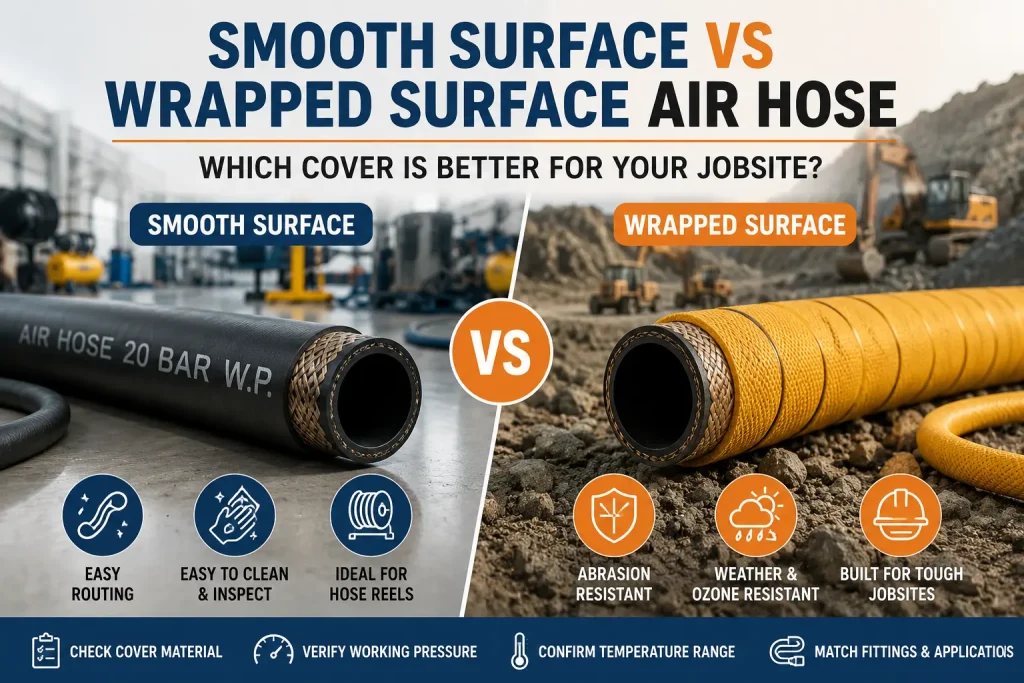
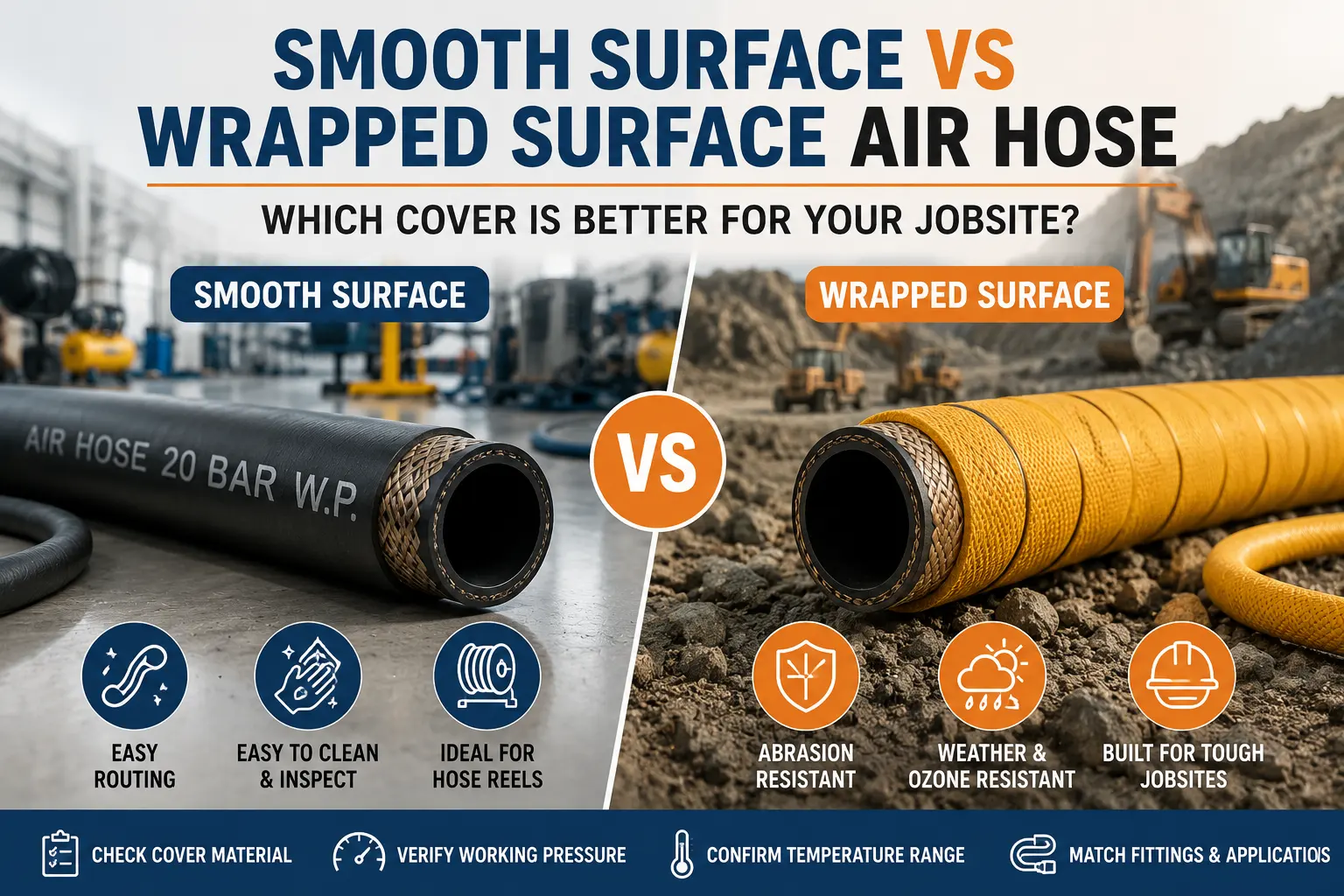
A smooth surface vs wrapped surface air hose comparison should begin with the jobsite, not the appearance. Smooth covers may be easier to route, wipe down, and inspect, while wrapped covers are common on industrial hoses built for construction, quarry, mining, and pneumatic-tool service. However, surface texture alone does not determine abrasion resistance, working pressure, temperature capability, or service life. Buyers must compare the cover compound, reinforcement, hose dimensions, pressure rating, routing, and environmental exposure before selecting either finish.
| Operating or purchasing condition | Finish to evaluate first | What still requires verification |
|---|---|---|
| Tight equipment routing or congested paths | Smooth | OD, bend radius, supports, and contact points |
| Frequent cleaning and visual inspection | Smooth | Cover compound and cleaning-agent compatibility |
| Construction, quarry, or mining use | Wrapped or jobsite-rated smooth hose | Abrasion data, weather resistance, and complete construction |
| Frequent hose-reel movement | Smooth may reduce snagging | Reel radius, hose weight, ID, and length |
| Large diameter or specialized production | Wrapped may be available | Supplier range, material, quantity, and production limits |
| Working-pressure selection | Neither finish alone | Tube, reinforcement, wall construction, fittings, and temperature |
After identifying the preferred surface type, compare the available constructions in the industrial air hose range. The finish should narrow the options, not replace a complete technical review. SOMAXFLEX currently lists smooth, wrapped, multipurpose, and steel-wire-reinforced air hoses within the same category.
“Smooth” and “wrapped” primarily describe the visible outer surface created during manufacturing. In a wrapped process, fabric strips are applied around the uncured hose. Pressure during curing consolidates the materials, and the fabric weave and overlapping spiral marks remain after the wrapping is removed. A smooth cover can be formed using an external plastic sheath that applies pressure during curing without leaving fabric impressions or circular witness marks.
The fabric that creates a wrapped appearance is not automatically an extra reinforcement layer. Reinforcement is located beneath the cover and may consist of textile yarn, synthetic cord, or steel wire, depending on the hose design. Procurement documents should therefore distinguish among:
The term “smooth surface” also should not be confused with “smooth bore,” which normally describes the inner flow surface.
Two air hoses with different surfaces may also use different tube compounds, reinforcement designs, cover materials, temperature ranges, and intended applications. Any difference in field performance may result from one or several of those variables rather than the finish alone.
A technical comparison of hose-cover curing methods found no significant difference in abrasion performance when the cover material and other process parameters were held equal. The cover compound was the more important abrasion variable. Although that assessment concerns hydraulic hose covers, it supports an important air-hose purchasing principle: surface appearance is not a substitute for product-level construction and performance data.
For a valid smooth vs wrapped air hose comparison, keep the following specifications as similar as possible:
Without a like-for-like comparison, a buyer may attribute differences caused by compound or reinforcement to surface texture.
A smooth cover is worth evaluating when an air hose must pass through machinery, structural frames, cable trays, or other congested routes. Circumferential ridges on wrapped hose may catch on nearby components, while a smooth cover generally presents fewer raised features during installation. A hose-cover technical review similarly notes that smooth hose can be easier to route through a complex system.
A smooth exterior can also simplify wipe-down and visual inspection because dirt, oil residue, and fine debris have fewer textured recesses in which to accumulate. That can be useful in factory maintenance areas, automotive workshops, and other locations where operators regularly check for cuts, cracks, soft spots, or coupling damage.
These advantages do not mean that every smooth surface air hose is suitable for reels, outdoor exposure, or abrasive floors. Reel diameter, minimum bend radius, cover compound, weight, hose length, and movement frequency still require verification.
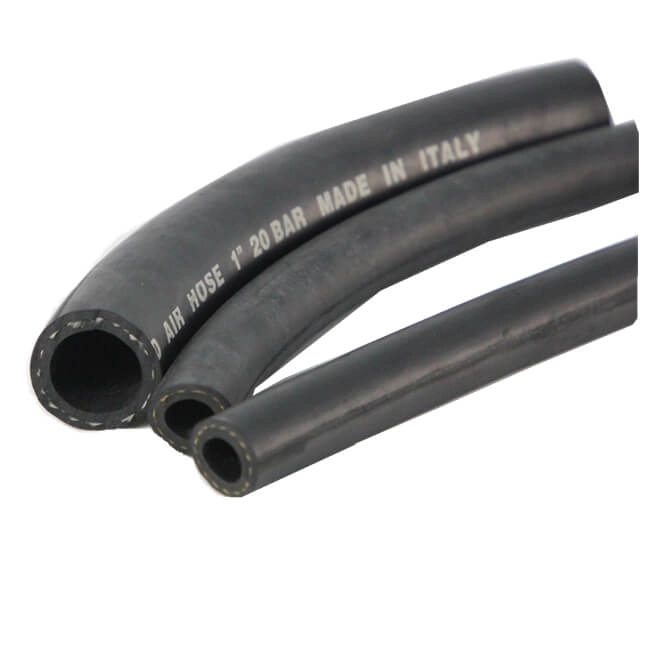
As a product example, the SOMAXFLEX 20 bar smooth surface air hose uses an oil-mist-resistant synthetic rubber tube, braided synthetic-yarn reinforcement, and a smooth weather- and abrasion-resistant synthetic rubber cover. Its listed applications include general industrial use, construction sites, and mines, with a stated temperature range of −35°C to 80°C.
Wrapped surface air hose is common in industrial product ranges serving road construction, quarries, mines, air drills, and pneumatic tools. In these cases, the wrapped finish is part of a complete hose construction selected for the application; it should not be treated as independent proof of higher strength or abrasion resistance.
Wrapped manufacturing may also support a wider range of cover materials, larger hose diameters, or shorter production runs in some manufacturing systems. These factors can matter to OEMs, distributors, and buyers requesting nonstandard sizes or limited quantities.
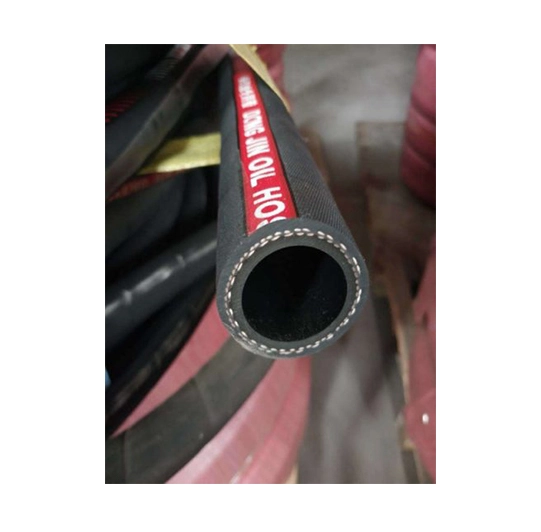
SOMAXFLEX lists a 20 bar wrapped surface air hose for compressed air containing light traces of oil mist. Its published applications include road construction, quarries, mines, air drills, and pneumatic tools. The listed construction uses an SBR tube, synthetic-cord reinforcement, and a wrapped EPDM cover described as resistant to weathering and ozone, with a stated temperature range of −30°C to 70°C.
The smooth and wrapped SOMAXFLEX products are useful examples of the two finish types, but they are not identical apart from appearance. Their tube descriptions, reinforcement terminology, cover compounds, temperature ranges, and application statements differ. Those differences should be reviewed separately.
Wrapped surface air hose is often assumed to be more abrasion resistant because it looks rugged. That assumption can lead to an incorrect specification. Abrasion performance depends more directly on the cover compound, cover thickness, floor or equipment surface, contact pressure, dragging frequency, contamination, and whether wear is concentrated at one point.
When an existing hose wears through, inspect the pattern:
Changing from smooth to wrapped—or wrapped to smooth—will not correct a metal edge repeatedly cutting the hose. Routing changes, protective sleeves, supports, or a different cover compound may be more relevant.
Small surface cracks can result from ozone exposure, heat, aging, flexing, or an unsuitable cover compound. A smooth cover has fewer surface-shape changes where cracks might begin, and a hose-cover technical assessment suggests that, when all other factors are equal, a smooth cover may have an advantage against ozone-related crack initiation. Material selection remains the primary consideration.
Working pressure is a separate issue. Smooth or wrapped texture does not independently establish the pressure rating. Pressure capability depends on the entire hose structure, including:
A 20 bar smooth air hose and a 20 bar wrapped air hose may share a nominal pressure rating while differing in temperature, dimensions, materials, or intended service. Compare the complete data sheet instead of assuming that the matching pressure number makes them interchangeable.
For road construction, quarrying, and mining, start with the actual failure risks: dragging over rock, outdoor weather, oil mist, moving pneumatic tools, vehicle traffic, and localized impact. A wrapped product may already be configured for these uses, but cover compound and routing remain more important than the visible pattern alone.
On a factory floor or in an automotive workshop, cleaning, inspection, reel handling, and routing around equipment may give a smooth cover practical advantages. For fixed installations, however, supports and protection at contact points may influence hose life more than surface finish.
Inside machinery or congested structures, compare OD and bend radius in addition to finish. A smooth hose that is too large or bent too tightly may be less suitable than a properly sized wrapped hose. The SOMAXFLEX industrial hose website organizes air, multipurpose, oil, chemical, material-handling, and other hose groups by service, helping buyers avoid selecting a similar-looking hose intended for a different medium.
Before replacing a smooth hose with a wrapped hose—or the reverse—document the damage and operating conditions.
If a wrapped hose repeatedly catches during installation, first identify where its ridges contact frames or equipment. A smooth cover or a revised route may reduce snagging. If a smooth hose wears through at one location, inspect the contact edge before changing the finish. If fine cracking appears across a wide area, review ozone, UV, temperature, age, and cover material. Damage near a coupling more often points to tight bending, pulling, inadequate strain relief, or an assembly problem.
Record:
This evidence helps the supplier determine whether the next hose needs a different finish, cover compound, routing method, reinforcement, or protective accessory.
An RFQ that only states “wrapped air hose” or “smooth air hose” is incomplete. Provide:
This allows the supplier to evaluate the complete construction rather than quote by appearance.
A qualified supplier should clearly separate the tube, reinforcement, cover compound, and cover finish. Product information should state the actual ID, OD, working pressure, temperature range, medium, and intended application.
Ask the supplier to explain:
SOMAXFLEX presents smooth and wrapped air hose as separate products within a broader industrial air hose category rather than describing one as a universal upgrade over the other. That structure supports application-based comparison by distributors, industrial buyers, and maintenance teams.
Evaluate a smooth cover when reduced snagging, tight routing, frequent cleaning, or easier inspection matters. Evaluate a wrapped product when its complete construction, material, size range, production method, and published applications match the jobsite.
Do not select wrapped hose solely because it looks more resistant to abrasion. Do not select smooth hose solely because it looks cleaner or more modern. In both cases, confirm the cover compound, reinforcement, pressure, temperature, dimensions, fittings, and expected movement.
Smooth and wrapped air hose covers are different manufacturing and surface options, not automatic light-duty and heavy-duty grades. The finish can influence routing, cleaning, inspection, and production choices, while the cover material and complete hose construction usually have greater influence on performance.
For a specification review, submit the medium, ID, length, working pressure, temperature, routing, abrasion exposure, fittings, quantity, and failure photographs through request an air hose specification review.
Q1: What is the difference between smooth and wrapped air hose?
A: The difference begins with the cover-forming and curing method. Wrapped hose retains fabric impressions and circumferential ridges, while smooth hose has an even exterior. The finish does not independently determine reinforcement, working pressure, or abrasion resistance.
Q2: Is wrapped surface air hose more abrasion resistant?
A: Not necessarily. Abrasion resistance depends more on the cover compound, thickness, contact surface, dragging frequency, and hose construction. Compare product-level abrasion and application information rather than the texture alone.
Q3: Is smooth surface air hose easier to clean and inspect?
A: A smooth surface generally has fewer textured recesses where dirt and oil can collect, which may make wiping and visual inspection easier. Cleaning-agent compatibility and actual cover material should still be checked.
Q4: Does air hose cover finish affect working pressure?
A: Cover finish alone does not establish working pressure. The rating depends on the complete hose design, including reinforcement, wall construction, dimensions, temperature, and assembly.
Q5: Which air hose cover is better for construction sites?
A: The answer depends on dragging, routing, oil mist, weather, pneumatic-tool demand, and the complete product specification. Wrapped hoses are common in construction ranges, but a jobsite-rated smooth hose may also be suitable when its materials and construction match the application.